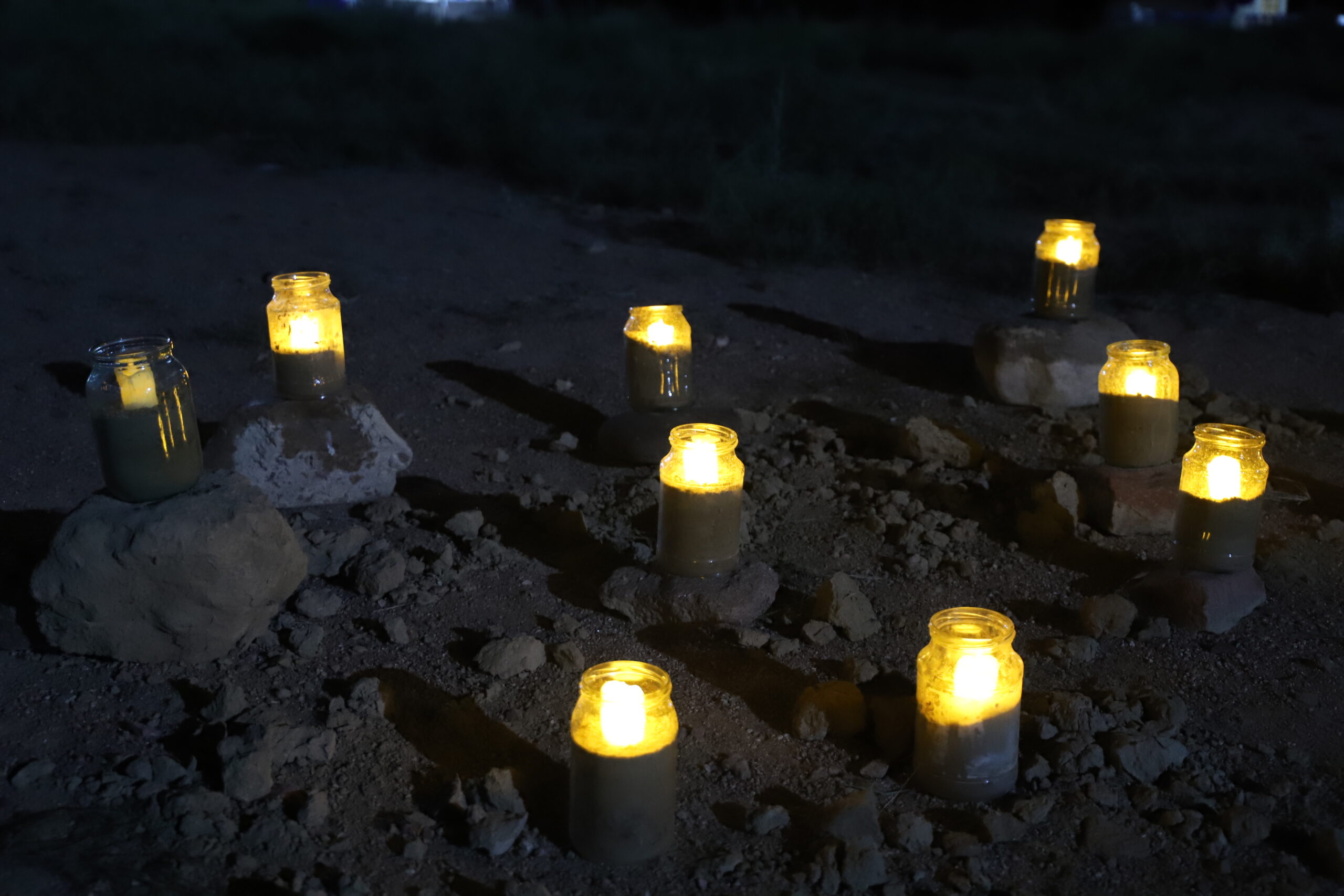
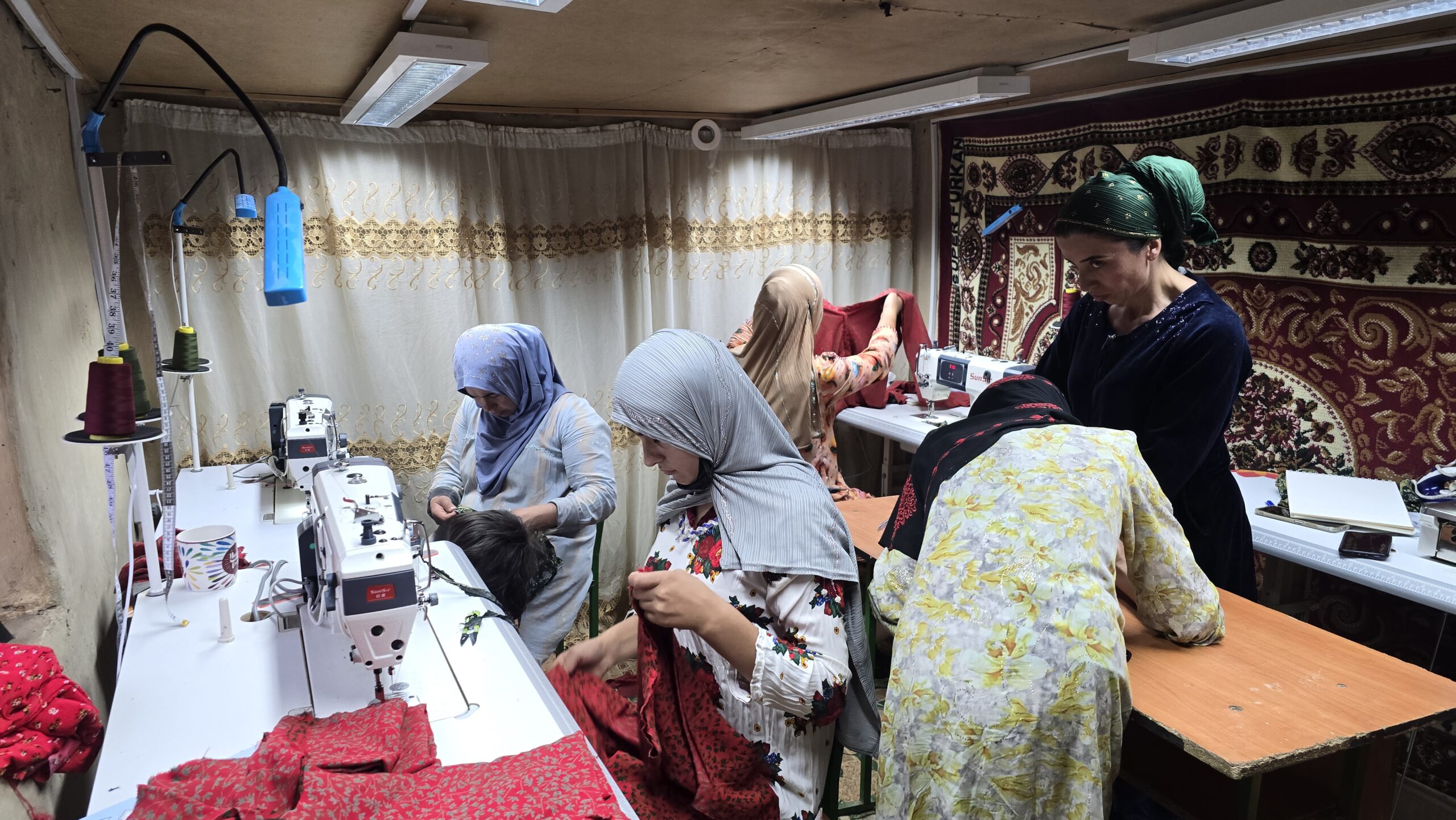
This is the third story in Central Asia Solidarity Groups’ 2025 series about our partnerships across Central Asia. Together with ISDS and El-Too, Little Earth’s work shows how local organizations translate knowledge, cooperation, and sustainability into tangible results that improve lives and protect fragile environments. While the earlier stories focused on biodiversity, youth engagement, and cultural environmental action in Kyrgyzstan, this final post takes us to the high mountain villages of Tajikistan, where clean energy and women’s leadership have reshaped everyday life. In the remote Yagnob Valley of Tajikistan, surrounded by steep mountains and scattered high altitude villages, the...
[English] Regional Partnerships 2025 – Part II: El-Too and sustainable livelihoods through knowledge and culture
As part of Central Asia Solidarity Groups’ 2025 series highlighting our partnerships across Central Asia, this story continues from our previous post about ISDS’s work in strengthening community resilience and biodiversity protection. While ISDS focused on wetlands and environmental education, El-Too’s initiatives show how the same regional cooperation has inspired new forms of local action, creativity, and community participation in Kyrgyzstan. In the mountains and semi-desert plains of Kyrgyzstan, the organization El-Too has spent the past three years working with farmers, students, and local authorities to turn ecological awareness into everyday practice. What began as a project to promote...
[English] Regional Partnerships 2025 – Part I: ISDS and community-led biodiversity action
Throughout 2025, Central Asia Solidarity Groups worked closely with local civil society organizations across Central Asia to strengthen community resilience, environmental protection, and women’s and youth empowerment. This blog post is part of a three-part series highlighting stories from our partners ISDS, El-Too, and Little Earth each showing how collaboration and local knowledge continue to shape sustainable change beyond the project’s initial three years. Centralasiengrupperna works together with local civil society organizations across Central Asia, promoting gender equality, protecting the environment, and building stronger, more resilient communities. One of our partners is the Institute for Sustainable Development Strategy (ISDS)...
Central Asia’s water crisis: a human security perspective [explainer clip in English]
Water is arguably the world’s most precious resource. However, it has also become a source of growing concern, affecting some regions more severely than others. In Central Asia, water scarcity has reached alarming levels, affecting the well-being and livelihoods of millions, and jeopardizing stability in the region. After the dissolution of the Soviet Union, five independent countries emerged in Central Asia as sovereign nations. Yet, the challenges they face extend beyond individual borders. The implications of the water crisis affect the entire region and raise concerns about the potential for conflicts between the neighboring countries. The primary water...
[English] Protecting biodiversity and encouraging sustainable livelihoods in Son-Kul Lake in the Kyrgyz mountains
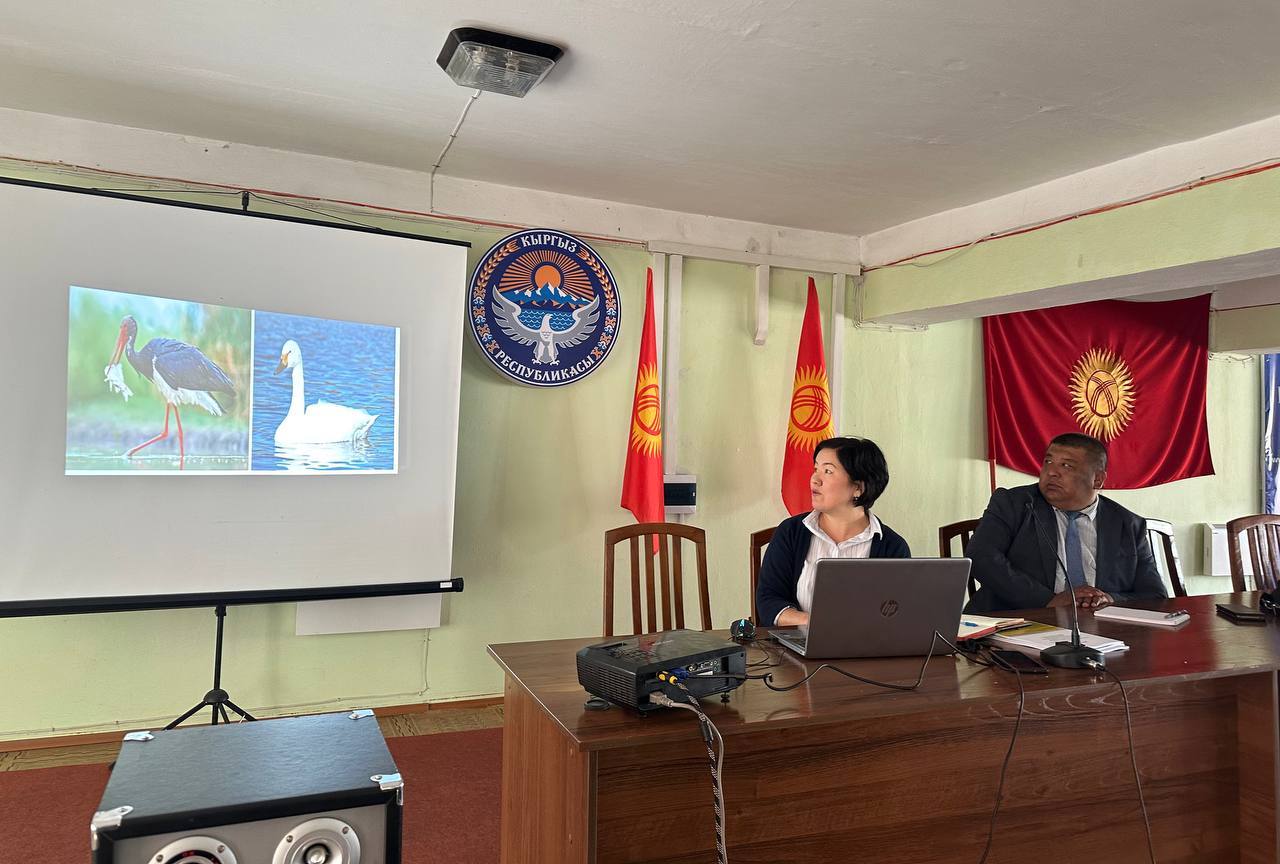
Featured image: Anara Momunova, ISDS, and Baktygulov Tursunbek, deputy akim (head) of the Kochkor district authority. In 2023, Centralasiengrupperna initiated a new format of cooperation with local partners in Central Asia, allowing for long-term support. Funded by SIDA via ForumCiv’s Large Partnership Funding program, the new collaboration format enables us to provide sustainable and lasting support to our partners, which marks an important step in CAG’s ongoing progress from project-oriented work towards long-term partnerships. In April, we initiated a new project with our local partner in Kyrgyzstan, the Institute for Sustainable Development Strategy (ISDS), within the renewed format of...
[English] Securing wetland ecosystems of Son-Kul Lake in the Kyrgyz Mountains – part 2
From March until December 2022, CAG in partnership with the Institute for Sustainable Development Strategy (ISDS) had been implementing a project “Securing wetland ecosystems of Lake Son-Kul in the Kyrgyz mountains”. Together with Cholpon rural municipality, ISDS focused on supporting the rights of local communities to protect and manage wetlands and natural resources of the Son-Kul basin of Naryn region. You can read the first blog post about this project via this link. Son-Kul Lake performs a number of important environmental functions, such as maintaining the stability of the region’s climate, accumulation and storage of fresh water, maintaining the...
[English] Being an intern in Kyrgyzstan
While writing my master thesis during the spring semester, I saw an interesting advertisement for a summer internship. As I already have conducted two internships and my second master degree was coming to an end, I mainly searched for permanent positions. However, I could not resist looking closer into the internship advert. The ad mentioned working with projects related to biodiversity and climate adaptation which I have studied, worked with, and have a passion for. I became more and more intrigued. As I scrolled down the text I saw that the internship would be based in Bishkek, Kyrgyzstan. “Kyrgyzstan!?”....
[English] Securing wetland ecosystems of Son-Kul Lake in the Kyrgyz Mountains
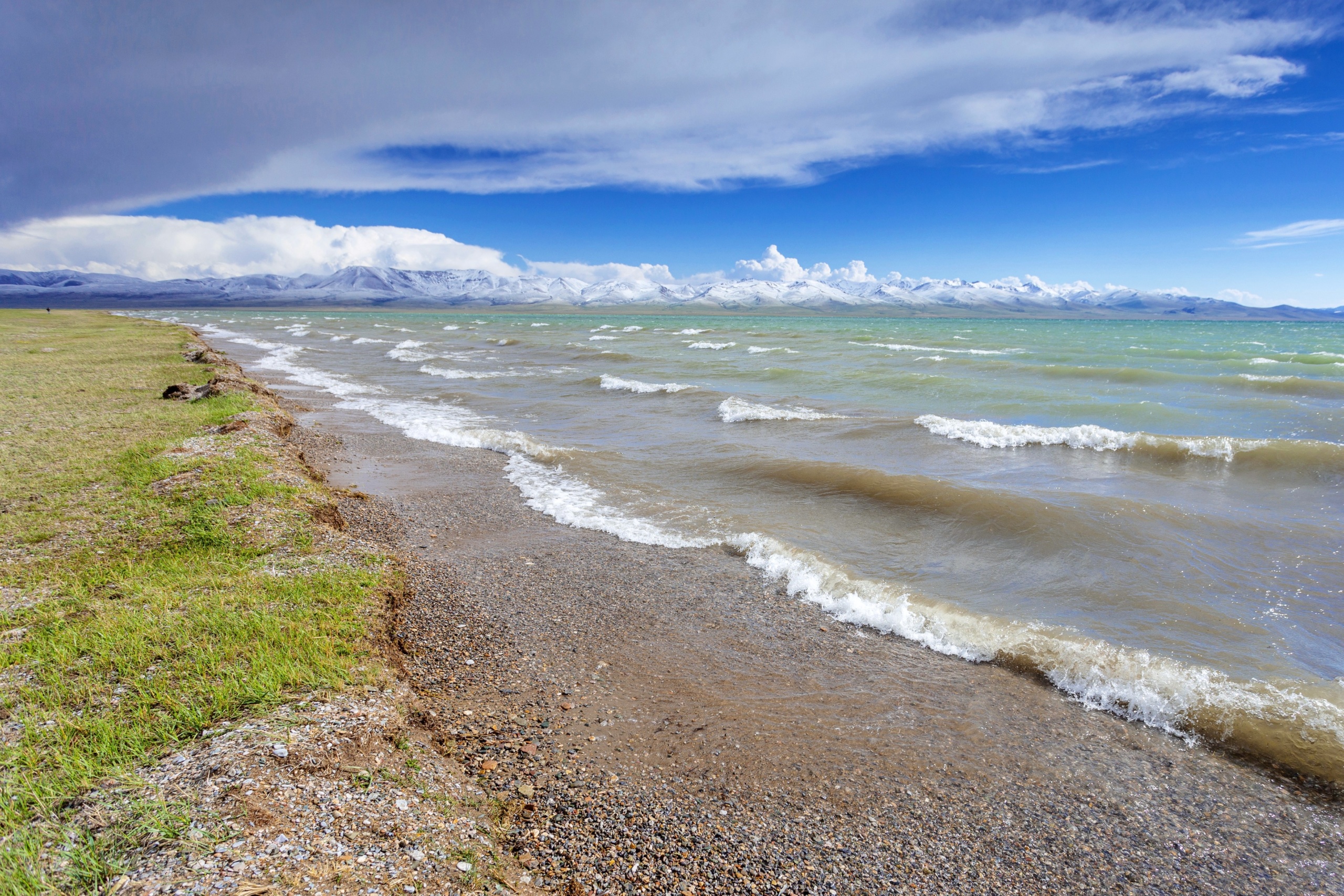
Since March 2022, CAG together with the Institute for Sustainable Development Strategy (ISDS), our partner organization in Kyrgyzstan, is implementing a project “Securing wetland ecosystems of Son-Kul Lake in the Kyrgyz mountains”. The main goal of the project is to support the rights and strengthen the capacities of local communities to protect and manage wetlands and natural resources of the Son-Kul basin of the Naryn region. Context: Son-Kul Lake is an alpine freshwater lake located at an altitude of 3016 m above sea level in the Inner Tien Shan. Since 2011, the lake has been included in the International...