

New research explores how young people continue to participate in civic life despite shrinking civic space, growing uncertainty, and changing forms of activism. For many years, young people have been recognized as one of the driving forces behind social and civic change in Kyrgyzstan. They have led volunteer initiatives, organized community projects, advocated for human rights, promoted gender equality, and responded to local challenges through collective action.
However, the environment for civic participation has changed significantly in recent years. Legislative developments, growing restrictions on civic space, increasing public polarization, and concerns about safety have reshaped how young people engage with their communities. Rather than disappearing, civic engagement has evolved into new, more adaptive forms.
To better understand these changes, Public Union Novi Ritm, Feminist Action Hub (FemActHub), and Public Foundation Positive Youth, with the support of Resilient Societies, conducted nationwide research exploring youth civic engagement in Kyrgyzstan under shrinking civic space. The study combined desk research, an online survey, six focus group discussions across the country, and in-depth interviews with youth leaders between February and April 2026.
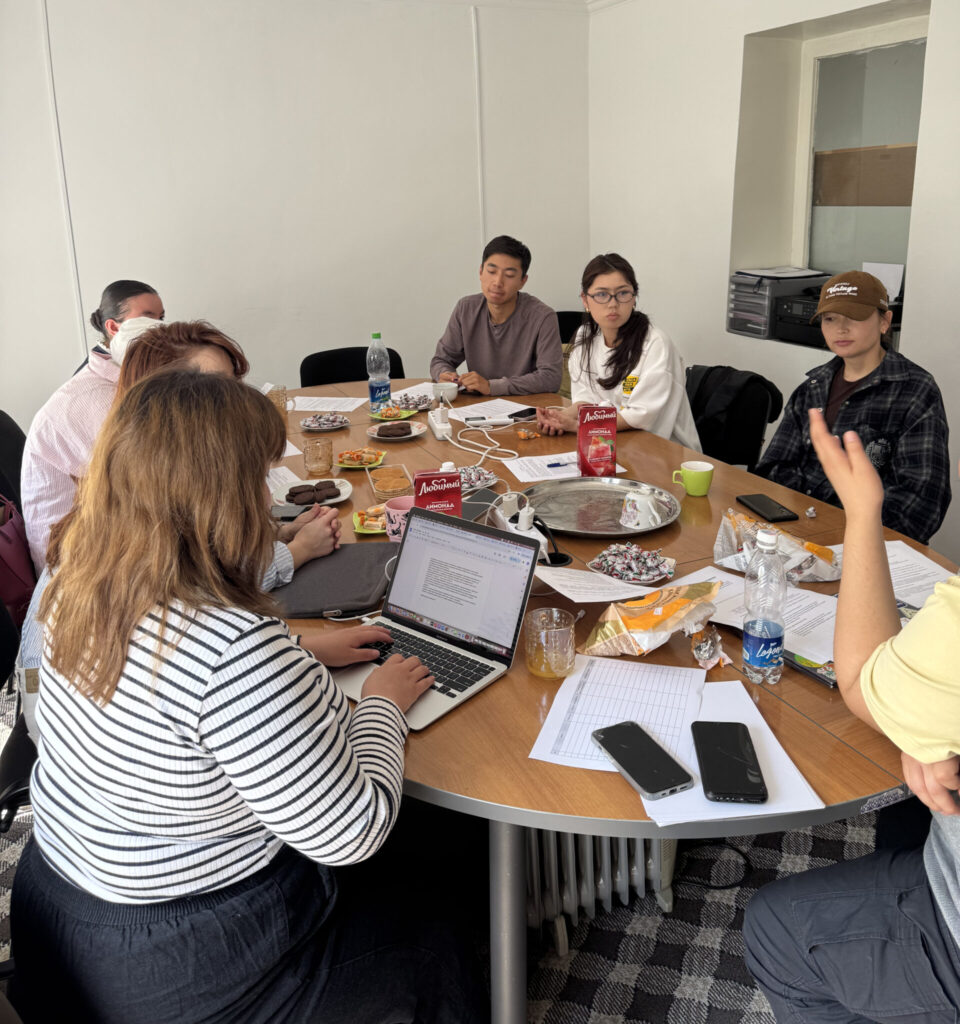 Researchers facilitating a focus group discussion with young participants. Photo by: Muhammad-Kobil Shurkhartbek uulu
Looking Beyond Traditional Activism
One of the study’s central findings challenges a common assumption: young people are often described as politically passive or disengaged. Yet the research tells a different story. Instead of asking whether young people participate, the study explored how participation is changing. Many participants described civic engagement as something much broader than protests or political activism. Helping neighbors, volunteering, supporting local initiatives, participating in educational events, raising awareness online, fundraising, or organizing community activities were all viewed as meaningful forms of civic participation. For many young people, activism today means improving everyday life within their communities rather than engaging in highly visible political action. To better understand these evolving forms of participation, the research brought together the perspectives of young people from different regions and backgrounds across Kyrgyzstan through a combination of quantitative and qualitative research methods.
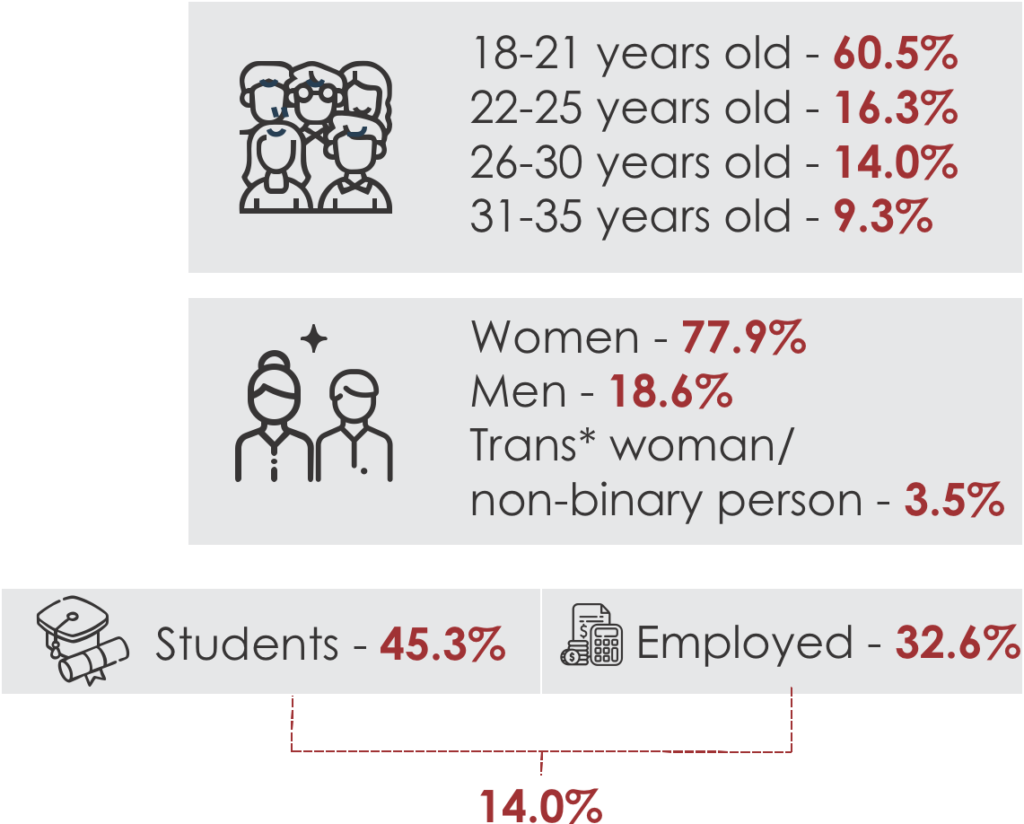 Figure 1. Profile of survey respondents.
The study combined an online survey of 86 young people aged 18–35, six focus group discussions held across Kyrgyzstan, and three in-depth interviews with youth leaders. While the survey sample was predominantly composed of women (77.9%) and students (45.3%), participants represented different regions, educational backgrounds, and forms of civic engagement, providing valuable insights into how young people experience participation in today’s changing civic environment.
Civic Engagement Has Become More Adaptive
The research found that civic participation has not disappeared; rather, it has become more cautious, flexible, and often less visible. Instead of withdrawing from civic life, many young people are adapting the ways in which they participate, carefully balancing their desire to contribute with concerns about safety and public visibility. Many participants explained that they increasingly distinguish between “safe” and “risky” forms of engagement. Concerns about public criticism, legal consequences, and personal security encourage many young people to choose approaches that allow them to contribute while minimizing potential risks. Survey findings further illustrate the factors that most strongly influence young people’s participation today.
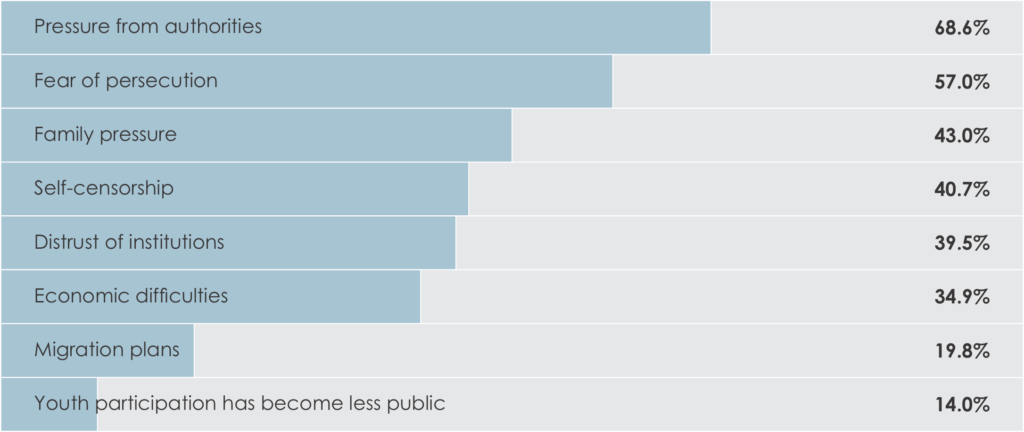 Figure 2. Main barriers shaping youth civic participation
The findings reveal that concerns about safety have become central to civic participation. Nearly seven in ten respondents (68.6%) identified pressure from authorities as a key barrier, while 57% pointed to fear of persecution. Family pressure (43%), self-censorship (40.7%), and distrust of institutions (39.5%) were also frequently mentioned. Economic difficulties (34.9%) and migration plans (19.8%) further shape young people’s decisions about whether and how to engage in civic life. Rather than indicating apathy, these findings suggest that many young people actively assess risks before deciding how to participate. Civic engagement is increasingly shaped by careful risk assessment, strategic communication, and a preference for forms of participation that feel safer while still allowing young people to contribute to their communities. Online spaces have therefore become increasingly important. Social media platforms are used not only to access information but also to raise awareness, share educational content, mobilize communities, and express opinions in ways that often feel safer than traditional forms of public activism. Participants also described how civic messages are increasingly communicated through creative approaches—including culture, storytelling, music, and symbolic expression—rather than direct confrontation. These approaches enable young people to continue addressing important social issues while adapting to an increasingly restrictive environment.
Unequal Opportunities Still Shape Participation
While young people remain highly motivated to contribute to their communities, opportunities for civic engagement are not equally distributed. The research highlights persistent inequalities related to:
– geography;
– gender;
– socio-economic status;
– disability;
– social identity;
– access to education and civic infrastructure.
Young people living in rural areas often have fewer opportunities to participate in organized civic initiatives than those in larger cities. At the same time, rural youth continue to demonstrate strong community engagement through mutual aid, local solidarity, and collective problem-solving. Young women also continue to face additional barriers, including restrictive gender norms, expectations related to family responsibilities, and limited mobility. Despite these challenges, they remain among the most active participants in volunteering, education, and community initiatives.
Young People Still Believe They Can Make a Difference
Although many participants expressed skepticism about broader political change, they remained optimistic about their ability to create positive change within their own communities. Rather than measuring success through large political transformations, many described meaningful civic engagement as helping others, building stronger communities, supporting vulnerable groups, and creating opportunities for their peers. This shift reflects a broader transformation in how a new generation understands activism—placing greater emphasis on sustainability, collaboration, emotional well-being, and long-term community impact.
Why These Findings Matter
Understanding youth civic engagement today requires moving beyond traditional definitions of activism. The research demonstrates that participation should not be measured only through protests, elections, or formal organizations. Instead, it also includes volunteering, mutual aid, online engagement, creative expression, community organizing, and countless everyday actions that strengthen social cohesion. Recognizing these diverse forms of participation is essential for developing policies and programs that genuinely respond to the realities young people face in Kyrgyzstan today. As civic space continues to evolve, supporting safe, inclusive, and meaningful opportunities for youth participation will remain critical to strengthening democratic engagement and resilient communities across the country.
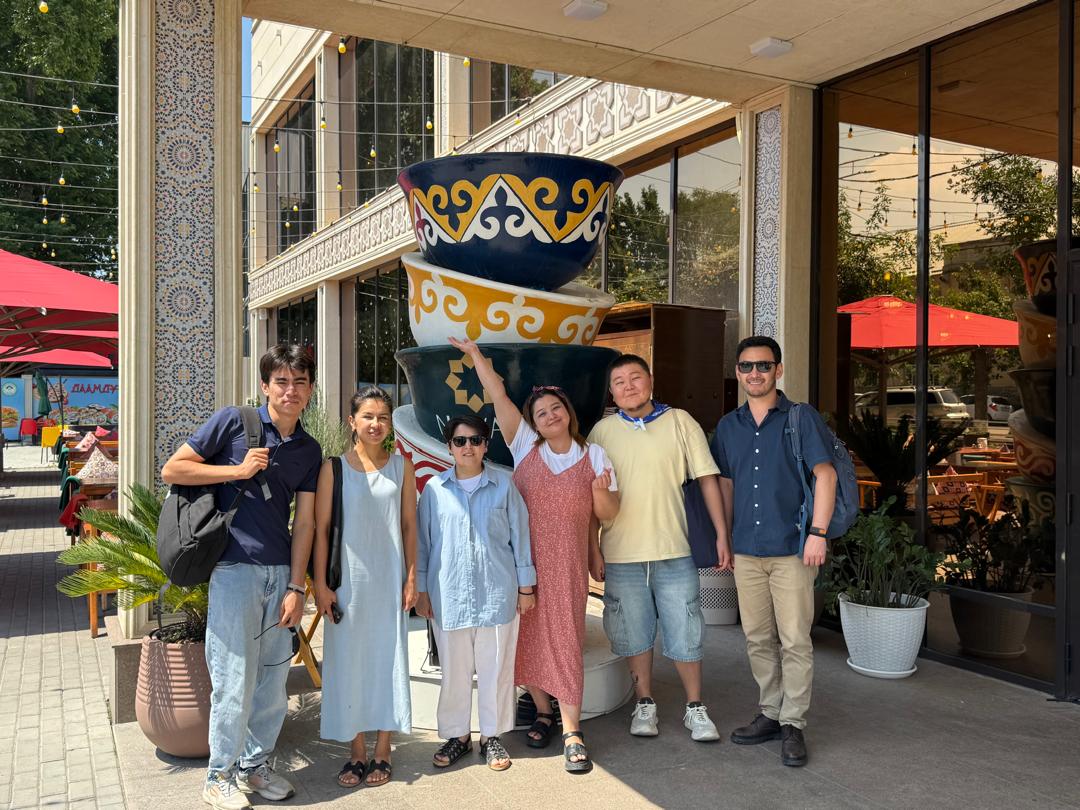 Research team members at the final meeting
Author: Mairambek Taalaibek uulu
Lead Researcher: Ainagul Amatbekova
Co-Lead Researcher: Mairambek Taalaibek uulu
Research Assistant (Volunteer): Muhammad-Kobil Shukhratbek uulu
Design and Layout: Khurshida Rasokhan
Research report: State of youth civic engagement in Kyrgyzstan’s shrinking civic space