Partnership with El Too

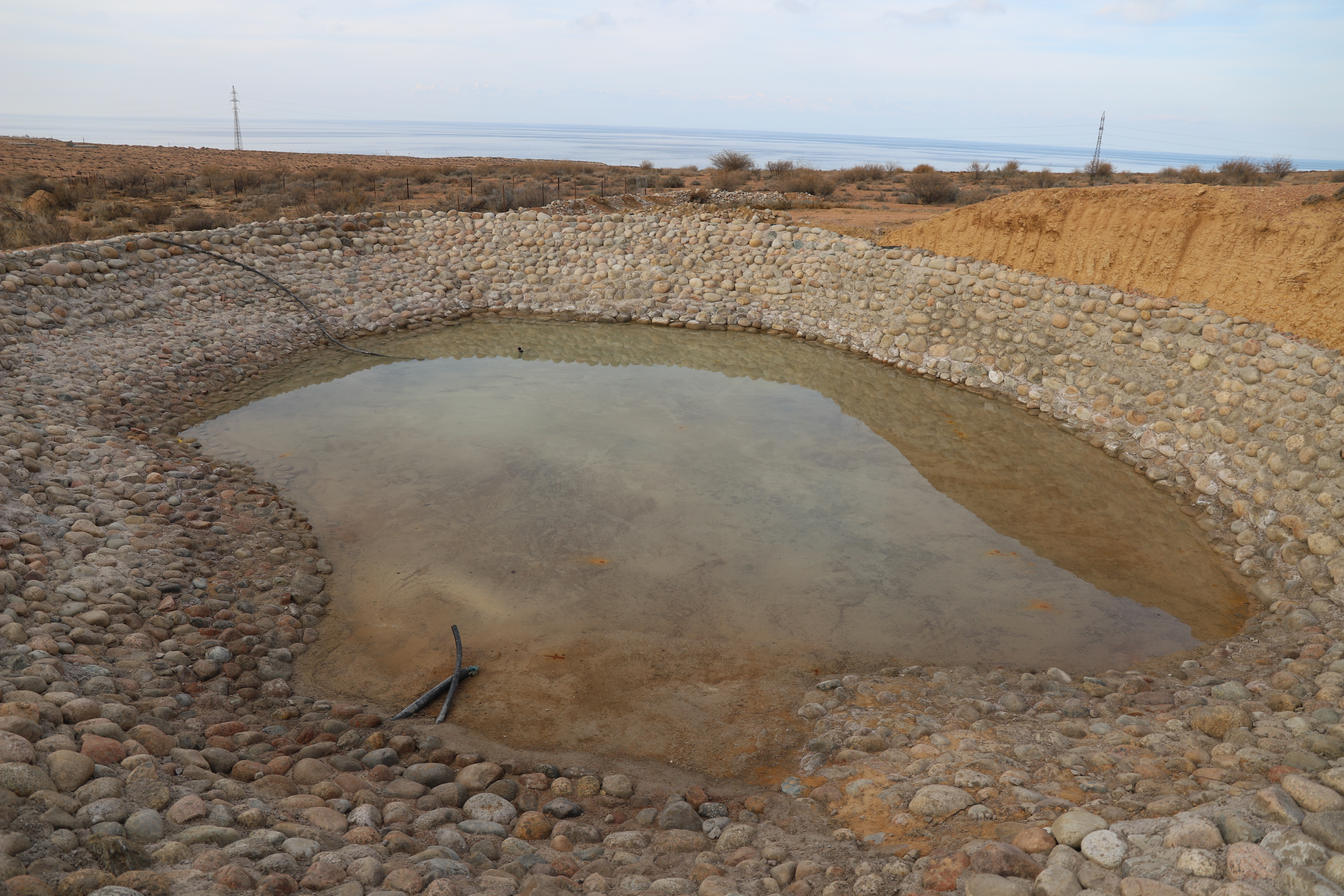
In Kyrgyzstan, as in much of Central Asia, water stress is becoming an increasingly important challenge as the climate warms. Mountain snow and glaciers are critical sources of river flow across the region, making glacier retreat and changing snow patterns major concerns for long-term water security. Changing precipitation patterns are also making water availability increasingly unpredictable. Floods, mudflows and landslides remain significant risks, while pasture degradation, intensive grazing and unsustainable agricultural practices further weaken soils and ecosystems. According to UNEP, around 70% of Kyrgyzstan’s pastures are estimated to be degraded.
Kyrgyzstan’s water-dependent agriculture is also constrained by aging irrigation infrastructure and significant water losses. While major investments are now being made to modernize irrigation systems and strengthen water security, climate change is increasing pressure on agricultural production and rural livelihoods. In communities where El Too works, agricultural production has often relied on monocultures such as potatoes, apricots and apples, alongside extensive livestock breeding. Limited crop diversity, intensive use of mineral fertilizers and pesticides, and pressure on pastures contribute to soil degradation and reduce the resilience of local food systems. Climate variability, pressures on agricultural production and volatile markets can further increase the economic vulnerability of rural households.
Environmental challenges are also closely connected to gender equality, land rights and participation in local decision-making. Women and young people in rural communities continue to face barriers to accessing land and natural resources and to participating meaningfully in decisions that affect their livelihoods. These issues increasingly form part of El Too’s work alongside environmental sustainability and climate adaptation. Food and nutrition security also remain important concerns. According to the latest national data used by UNICEF, only 26.2% of children aged 6–23 months meet the minimum standard for dietary diversity, 14% of children under five are affected by stunting, and 37% of children aged 6–23 months are anaemic.
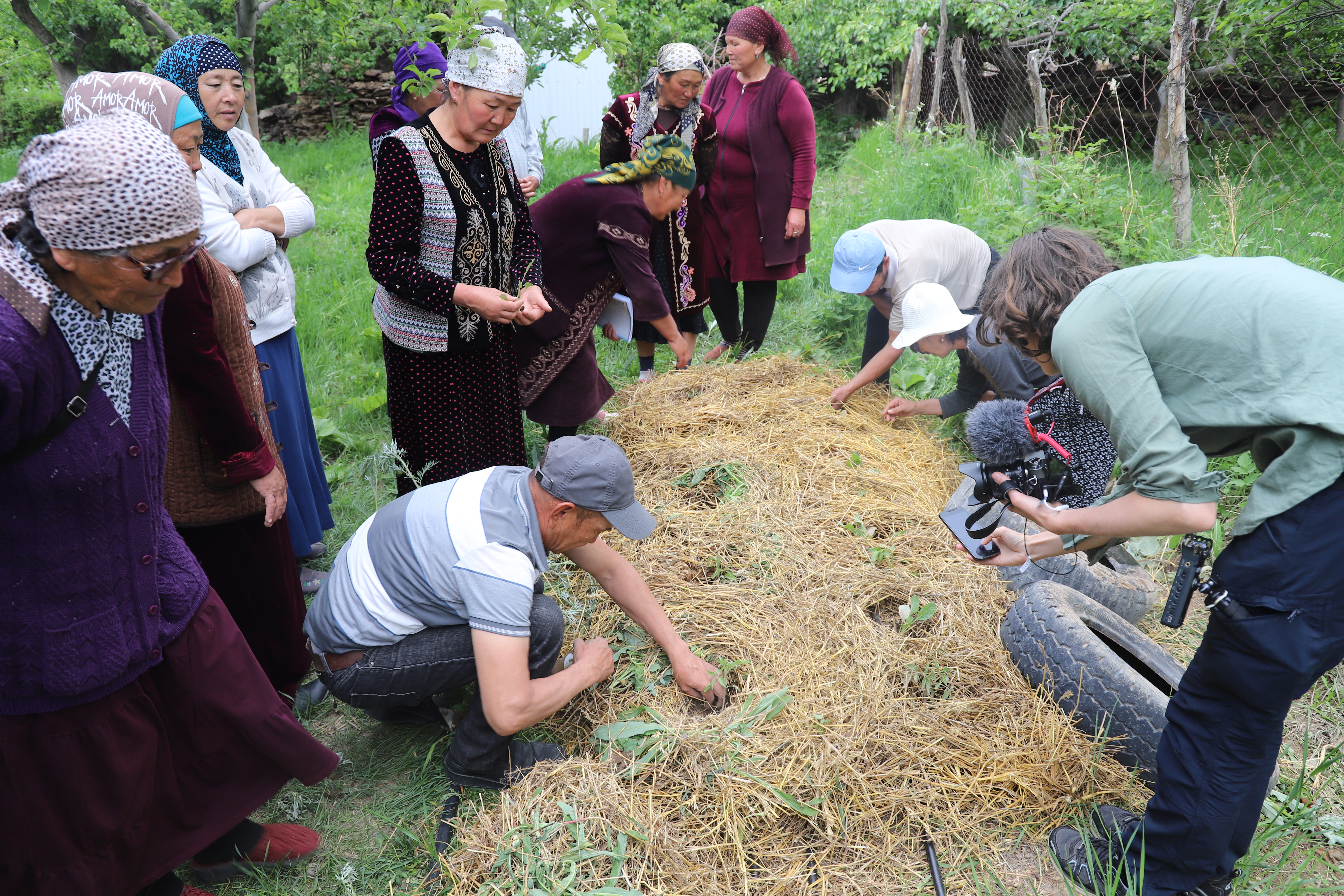
Since 2021, CAG has collaborated with El Too to strengthen the resilience of communities in Kyrgyzstan through permaculture and sustainable land-use practices. Building on this work, the partnership has expanded to address environmental justice, land and property rights, sustainable tourism, seed resilience and the protection of vulnerable ecosystems, particularly around Issyk-Kul. Current activities combine practical approaches such as permaculture and sustainable agriculture with community engagement, support to women-led and local tourism initiatives, cooperation with universities and local authorities, and public awareness and advocacy around responsible land use and environmental protection.
The CAG–El Too partnership is funded by Swedish development aid through Sida, the Swedish International Development Cooperation Agency.
Long-term goal of cooperation
Strengthened capacity of a local civil society organization to promote environmental sustainability of vulnerable ecosystems, environmental justice, gender equality, property rights, and cross-sectoral cooperation.
Main achievements
- Strengthened El Too’s institutional capacity through a five-year organizational strategy, updated internal policies, improved management and fundraising systems, and stronger communication and visibility tools.
- Increased public awareness of environmental justice and land and property rights through a dedicated casebook, public communication, and the “One road, one trail” awareness and citizen-science initiative.
- Strengthened cooperation between civil society, tourism actors, businesses and public institutions to promote ecosystem-friendly tourism and landscaping, including the establishment of a demonstration wildlife garden using native Issyk-Kul plants.
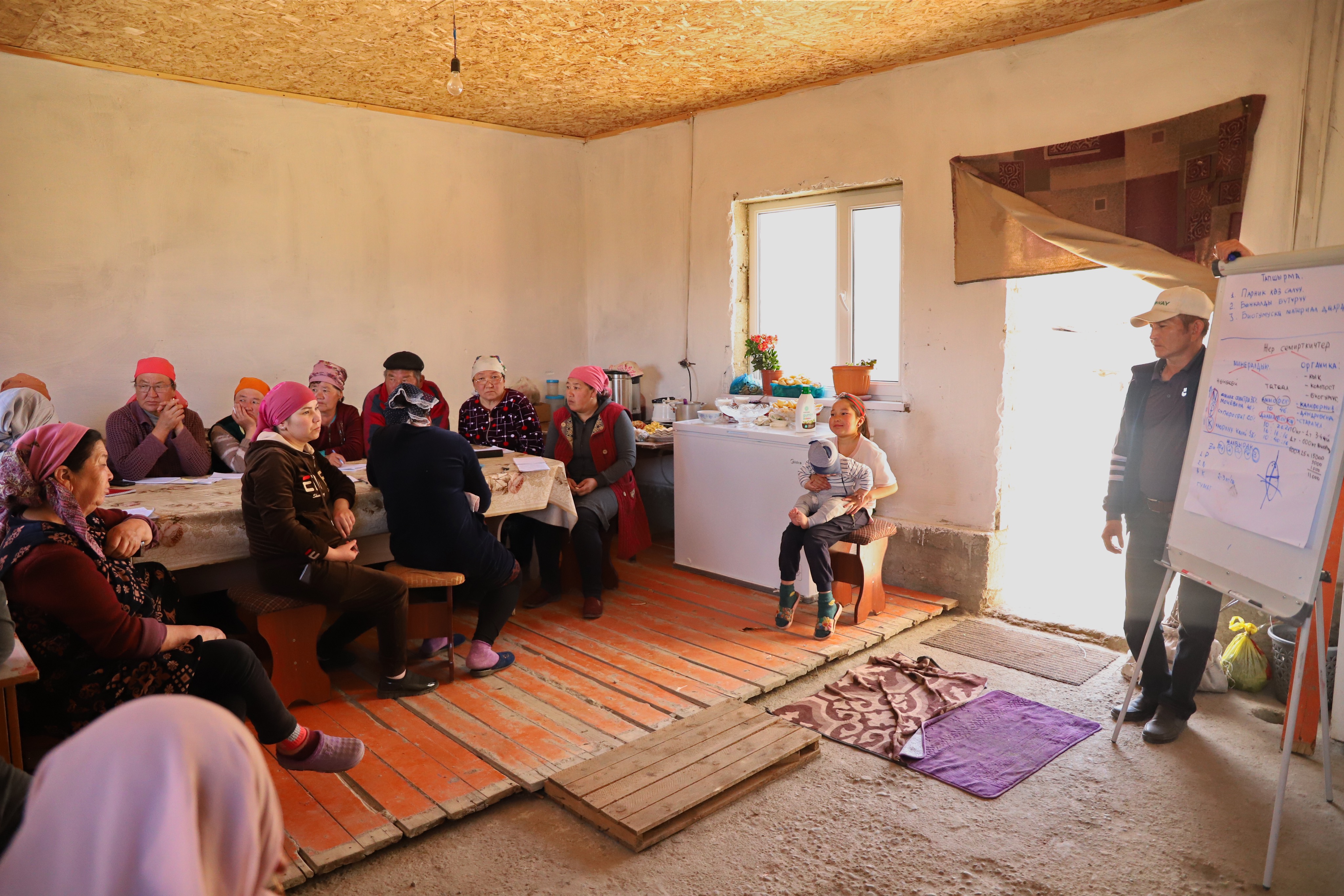
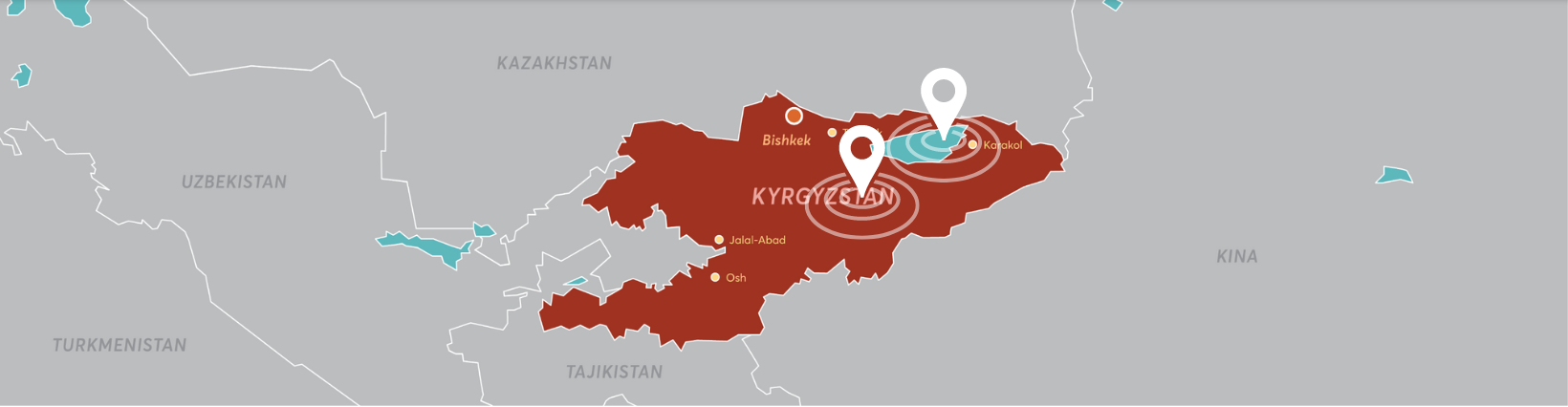
- Improved access to practical agricultural knowledge in 12 communities in Naryn and Issyk-Kul, including information on certified seeds, local seed conservation, licensed nurseries, seedlings and sustainable cultivation practices.
- Expanded sustainable livelihood opportunities through training for guesthouse owners, mainly women, in digital tourism platforms, sustainable hospitality and promotion, with 59 participants taking part in trainings in Naryn and Issyk-Kul.
- Expanded the practical use of permaculture through exchange and training activities and the establishment of an urban permaculture demonstration garden in Karakol involving students, youth, civil society and community actors.
- Promoted sustainable tourism in less-visited parts of Issyk-Kul through the development of alternative tourism routes, digital mapping and communication aimed at distributing tourism pressure more evenly across the region.
- Strengthened environmental education among children and families through the development and distribution of an illustrated storybook on nature and environmental conservation adapted for children aged 5–10.
Related videos
A video created by El Too summarizing the three years of our partnership in spreading permaculture in Naryn and Issyk-Kul regions of Kyrgyzstan.
Explainer clip focused on water scarcity in Central Asia and on local organizations’ efforts, including El Too, in dealing with this issue.