
Partnership with ISDS

The Naryn region remains economically vulnerable. According to the latest official statistics, 26.5% of its population lived below the national poverty line in 2025, compared with 24.0% nationally. The livelihoods of many rural communities depend heavily on livestock, pastures and other natural resources, which makes them particularly vulnerable to climate change and environmental degradation. Climate change, biodiversity loss and declining pasture conditions place additional pressure on household livelihoods and the resilience of local ecosystems. Kyrgyzstan as a whole has warmed rapidly, with average annual temperatures increasing by about 1.2°C between 1960 and 2023. The ISDS application similarly identifies poverty, environmental degradation, climate risks and dependence on natural resources as interconnected challenges in rural Naryn.
Son-Kul Lake in Naryn is a Wetland of International Importance under the Ramsar Convention and is recognized as an Important Bird and Biodiversity Area (IBA). The 36,869-hectare Ramsar site forms part of the Karatal-Japyryk State Nature Reserve and provides important habitat for migratory and breeding waterbirds. ISDS narrative application The lake's surrounding wetlands, grasslands and pastures are vital for local communities, supporting pastoral livelihoods and seasonal livestock grazing. The lake and its surrounding ecosystems are under increasing pressure from economic activities, unsustainable resource use and climate change. Overgrazing and uneven grazing pressure contribute to pasture degradation, while other human pressures, including off-road vehicle use and illegal fishing, create additional risks for sensitive habitats and biodiversity.
Protecting Son-Kul therefore requires not only regular environmental monitoring, but stronger cooperation between local communities, civil society, local authorities, the Karatal-Japyryk State Nature Reserve and scientific institutions. Participatory monitoring of wetlands, pastures and biodiversity can strengthen both the evidence available for environmental management and local involvement in decisions affecting natural resources. This approach is central to the current ISDS intervention.
Local communities, particularly women and young people, continue to face barriers to meaningful participation in natural-resource governance and local decision-making. At the same time, environmental knowledge and practical opportunities to participate in conservation remain uneven. The current partnership therefore focuses on strengthening environmental education, community participation, biodiversity monitoring and sustainable livelihoods in Ormon-Khan, Cholpon and Sary-Bulak municipalities in Kochkor district.
Since 2026, the initiative is funded by the Swedish International Development Cooperation Agency (Sida) through Central Asia Solidarity Groups (CAG).
Long-term goal of cooperation
Strengthened sustainable management and conservation of wetlands and grasslands in the Son-Kul Lake pilot area through meaningful community engagement and enhanced multi-stakeholder collaboration.
Main achievements
- Strengthened environmental education and youth leadership in the Son-Kul area through the “School of Young Leaders – Defenders of Nature,” involving 56 students from three pilot schools, alongside multimedia centres and youth-led environmental communication initiatives.
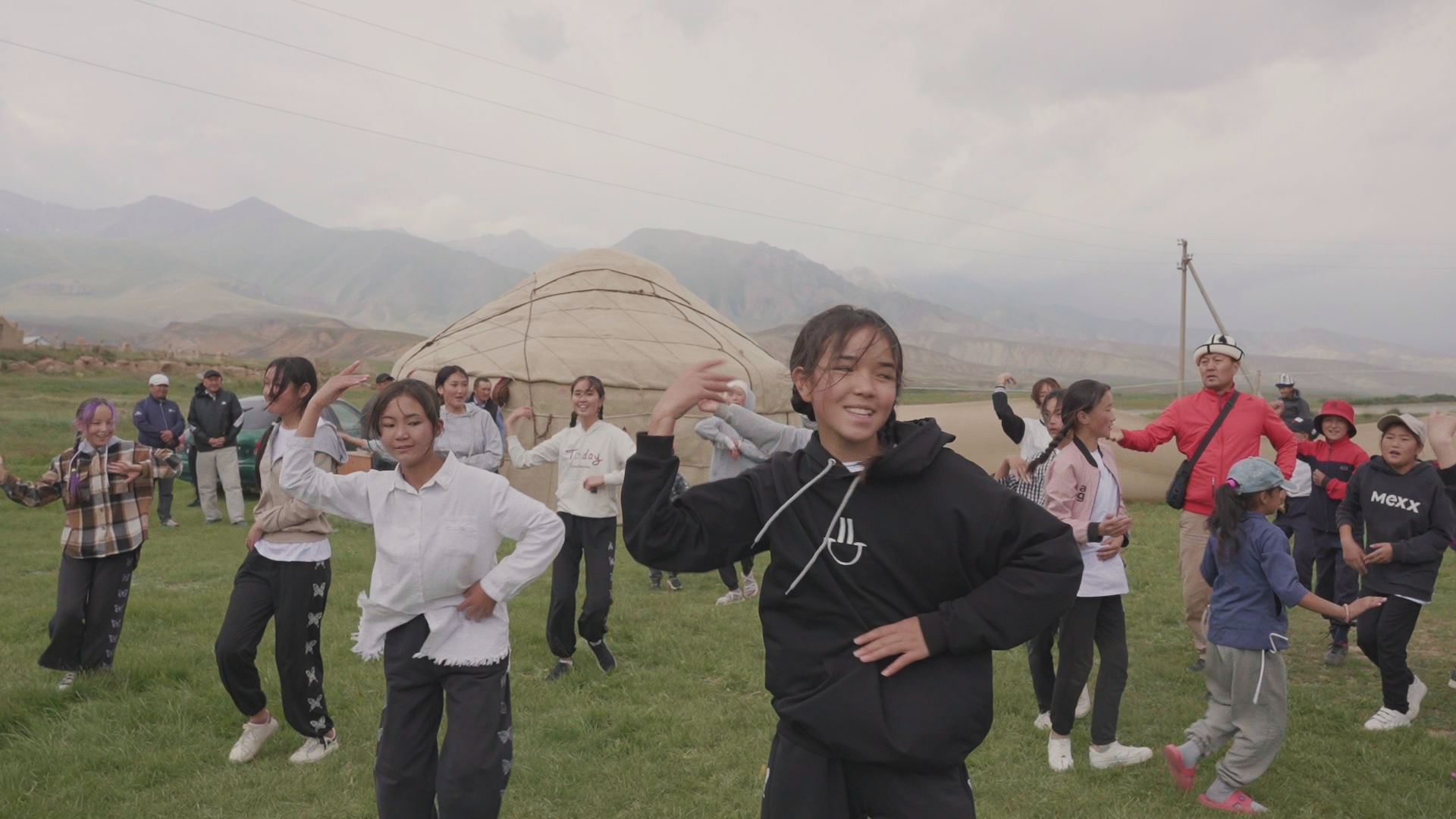
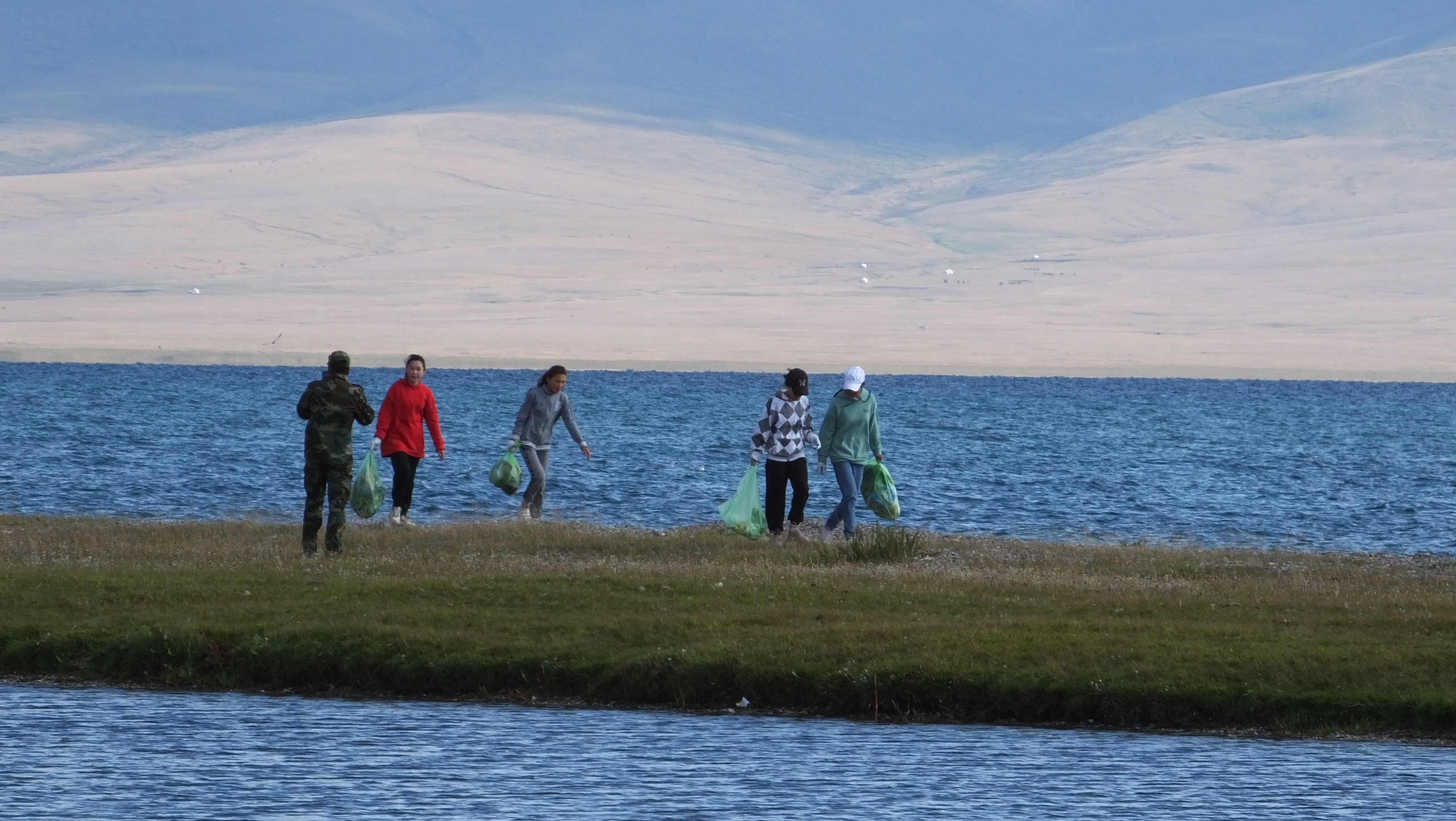
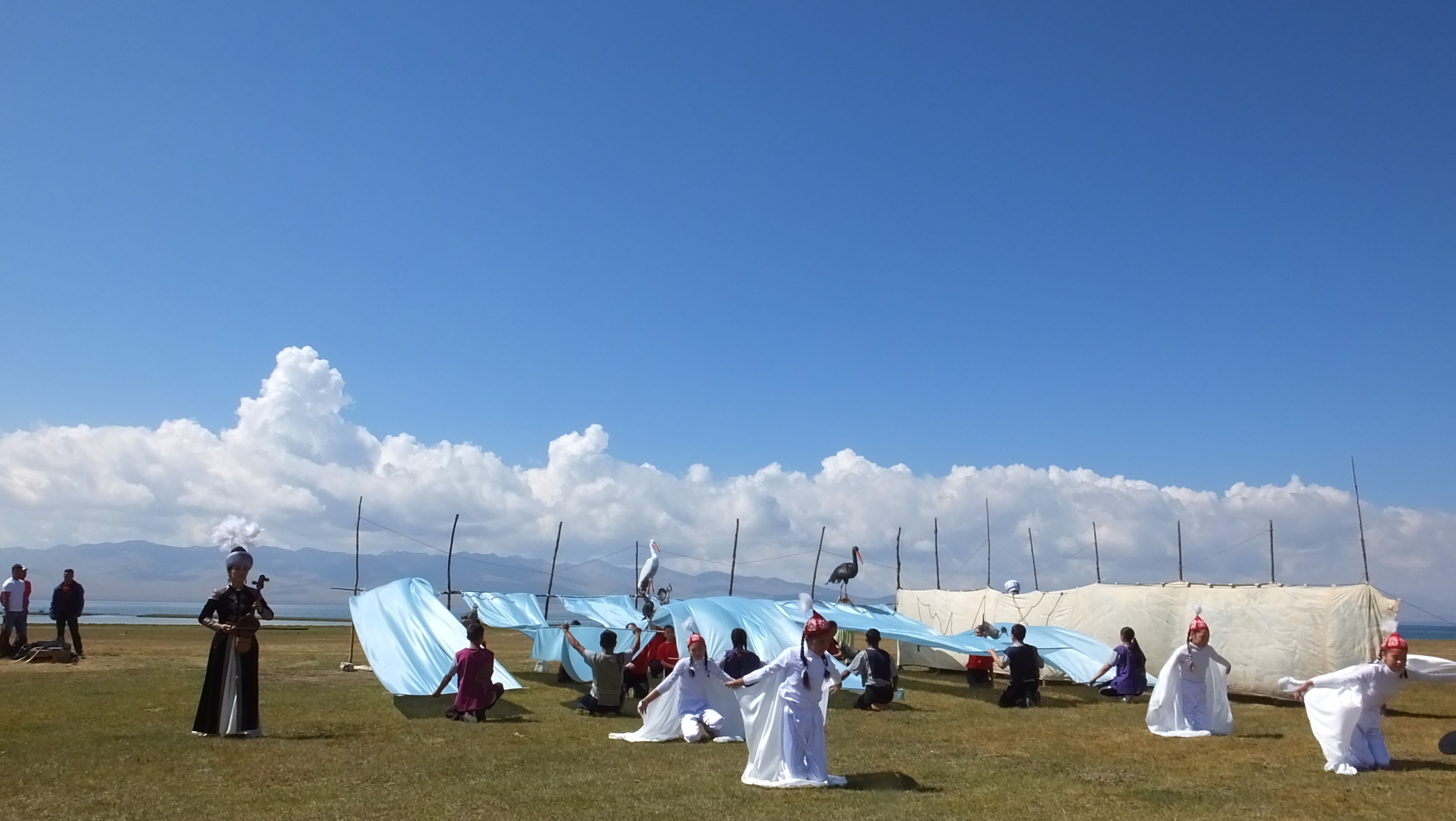
- Increased public awareness of the ecological and cultural importance of Son-Kul wetlands through the “Wetlands Birds” community festival, educational materials, digital content and community outreach activities involving schools, local residents, women, youth and herders.
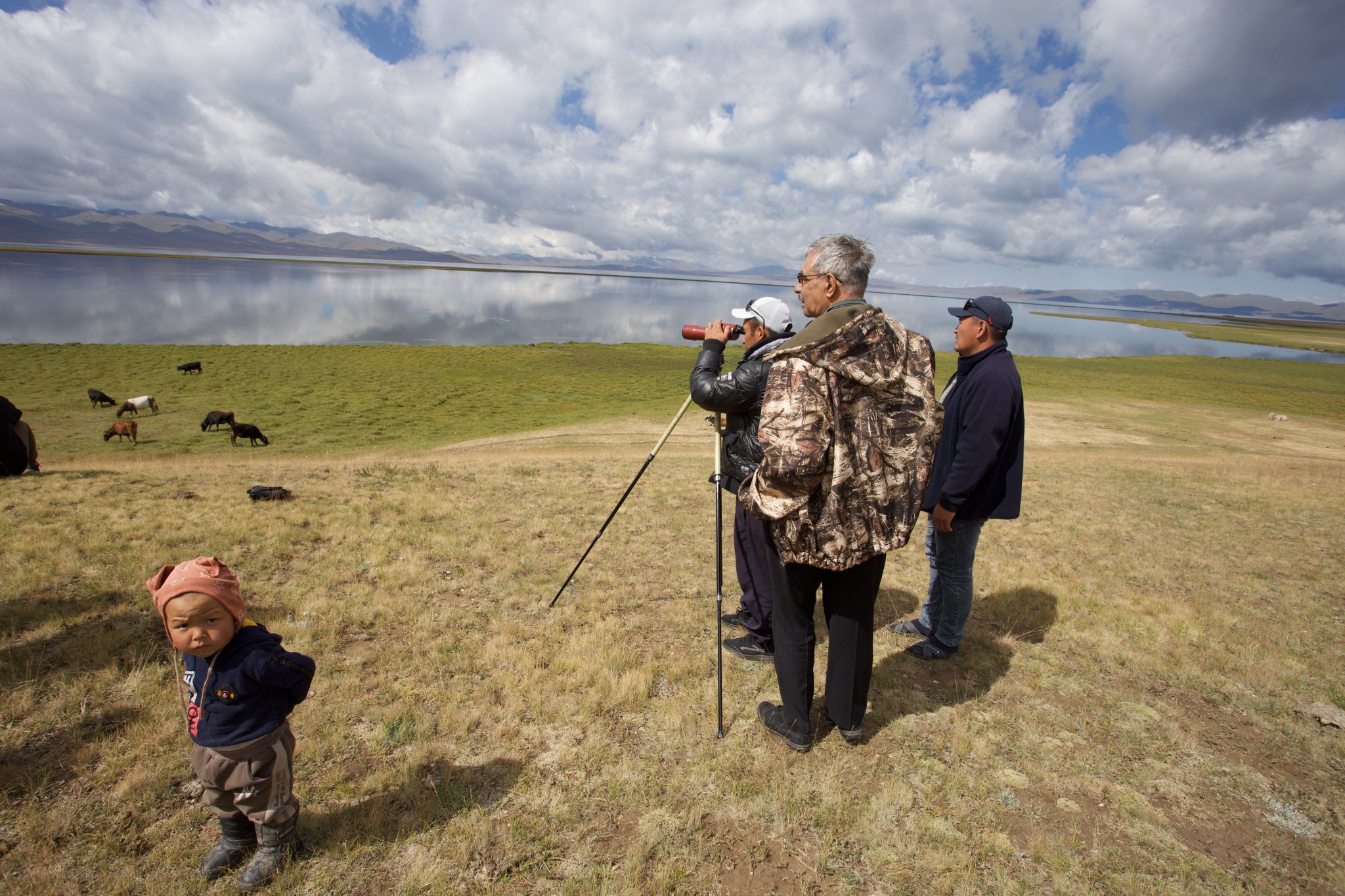
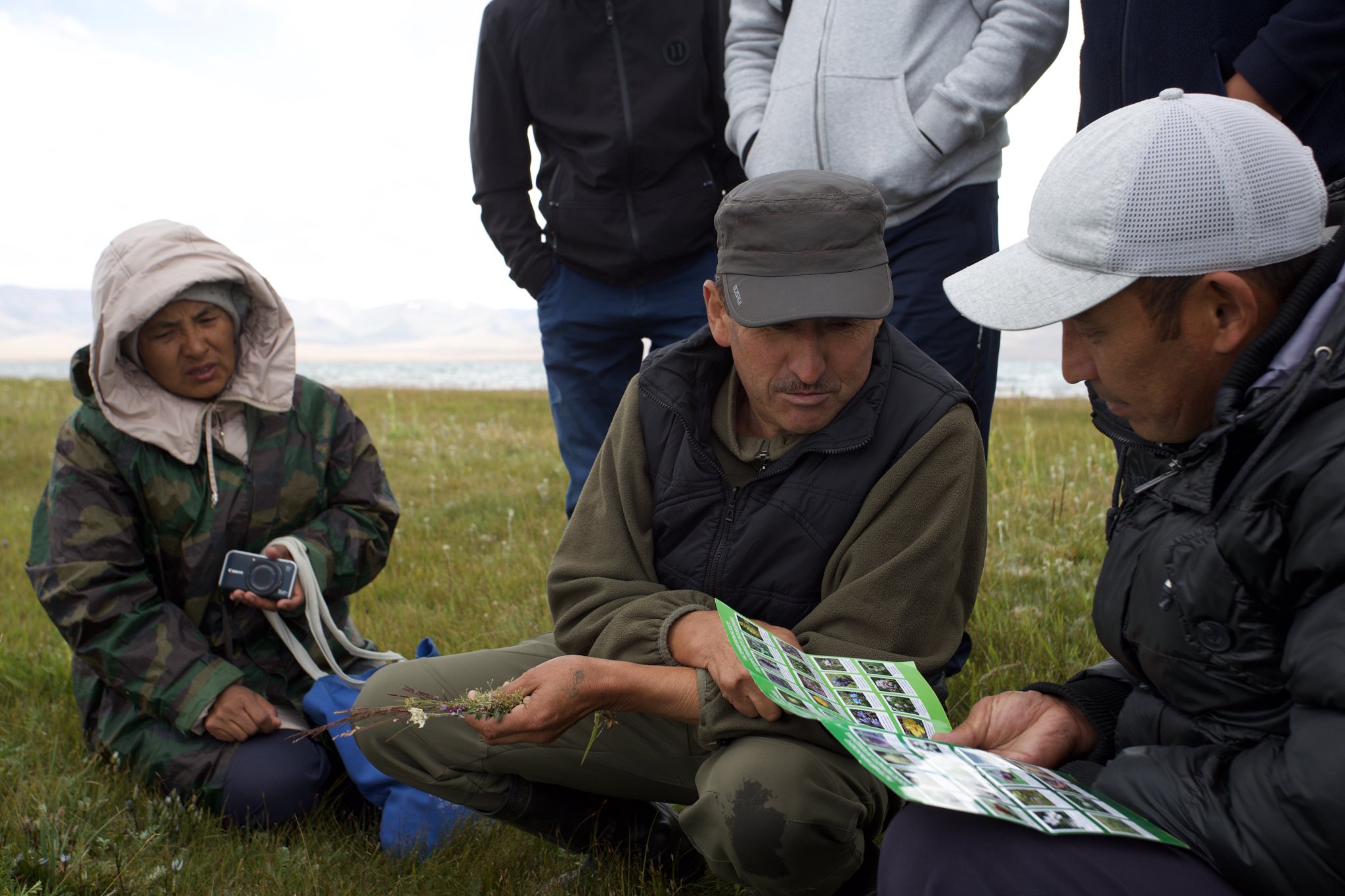
- Strengthened scientific and technical capacity for biodiversity conservation through cooperation with the National Academy of Sciences and the Karatal-Zhapyryk State Nature Reserve, including the development of a methodological guide for waterfowl monitoring and identification in the Son-Kul area.
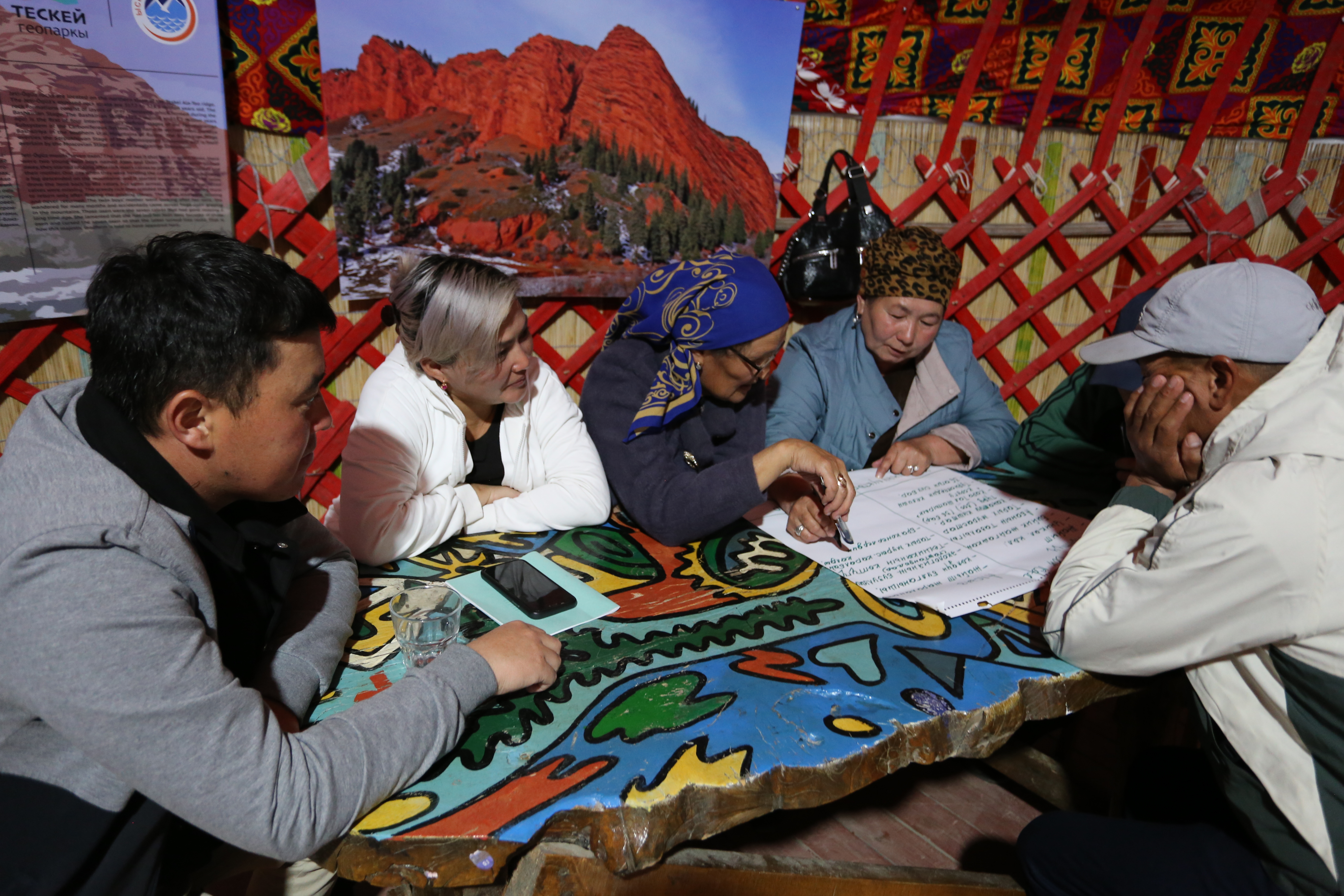
- Expanded participatory monitoring and mapping of pastures and biodiversity, bringing together local communities, scientists and reserve staff to assess pasture conditions, grazing pressure and the interaction between livestock and wildlife.
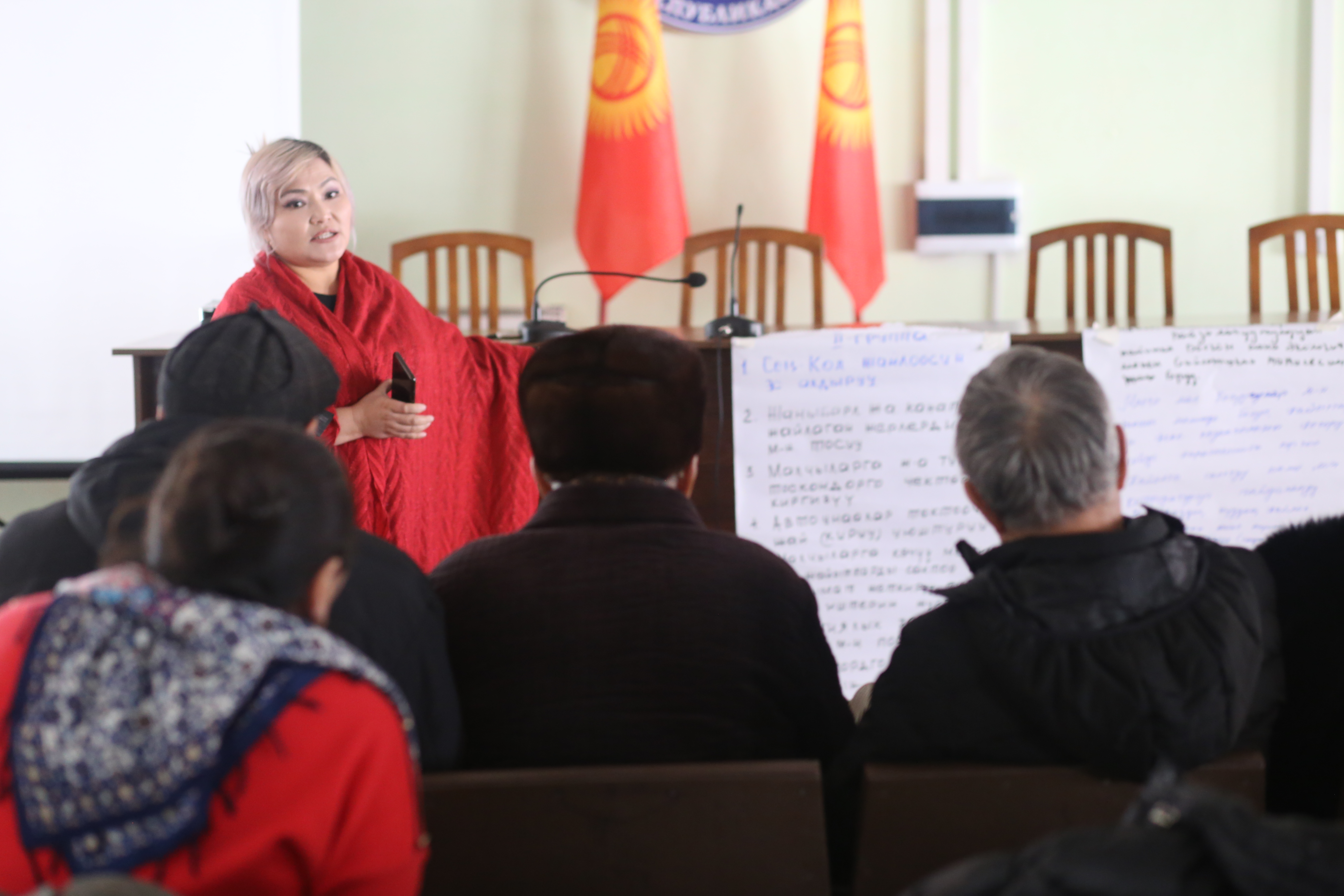
- Strengthened cooperation between local communities, civil society, local authorities, scientific institutions and national environmental authorities, including work toward an interdepartmental platform on wetland conservation and a national dialogue on community participation in Ramsar site management.
- Strengthened the economic and decision-making capacity of women and young people through GALS-based business and livelihood training for 49 participants, including 42 women and 28 young people, resulting in the development of ten business proposals.
- Supported three community-based income-generating initiatives to diversify rural livelihoods and reduce dependence on traditional livestock production, with beneficiaries contributing 50% of investment costs toward the supported enterprises.
- Strengthened ISDS’s partnerships and resource-mobilization capacity for long-term wetland conservation, including the development of a strategic fundraising framework and successful mobilisation of additional funding for biodiversity conservation and sustainable natural-resource management at Son-Kul.
Related videos
A video about the festival organized by ISDS to get the community and youth involved in preserving Lake Son-Kul’s ecosystem and spreading awareness about challenges to migratory bird habitats.
Explainer clip focused on water scarcity in Central Asia and on local organizations’ efforts, including ISDS, in dealing with this issue.
A clip created by ISDS about the current state of the lake Son-Kul and adjacent territories, as well as about the problems of that area.